Tuesday, 29 June 2010

Theorising e-Arabic

كلمة

الإنترنت وأنماط المعرفة

26/06/2010 02:12:39 م

د‮. ‬صبري حافظ


تحدثت في الأسبوع الماضي عن المؤتمر الذي نظمته الدكتورة أنيسة الداودي بجامعة دارهام في بريطانيا،‮ ‬والذي توافق مع مؤتمر المدونين العرب في عجمان وأبي ظبي،‮ ‬وعن دلالات المؤتمرين وما بينهما من اختلافات مهمة‮. ‬فبينما تهتم جامعة دارهام بتمحيص ما يدور في هذا الفضاء الإليكتروني والتنظير له،‮ ‬سعي مؤتمر الإمارات فيما قرأته عنه من تغطيات لتوصيف الظاهرة،‮ ‬والتعرف علي حدودها‮. ‬كما أثار مجموعة من الأسئلة حول رغبة المؤسسة في احتواء هذا النشاط التلقائي التي تفجرت فورته في السنوات الأخيرة،‮ ‬وتسارع عدد مستخدميه بمعدلات‮ ‬غير مسبوقة،‮ ‬دون أن تعرف المؤسسة كيف تسيطر عليها‮. ‬وقد تزامن المؤتمران مع حدث مقتل الشاب المصري خالد محمد سعيد الذي انتزع من أحدي مقاهي الانترنت،‮ ‬وقتل‮ ‬غيله‮. ‬وهو الحدث الذي لولا الانترنت لأمكن لملمته،‮ ‬كما تتم لملمة‮ ‬غيره من الجرائم التي ترتكب كل يوم في هذا الزمن العربي الردئ دونما رقيب‮. ‬فقد استطاع مستخدمو الانترنت أن يحيلوا مقتل زميلهم خالد سعيد إلي خبر عالمي اهتمت به أغلب مؤسسات الإعلام وحقوق الإنسان الكبري في العالم‮. ‬وكأنما جاء هذا الحدث المريع ليكشف لمن كان لديه أدني شك في أهمية الانترنت وفاعليتها في الحدث‮. ‬فقد جسد لنا بصورة‮ ‬غير مسبوقة ما يمكنها أن تفعله من فضح للممارسات الوحشية التي كان يمكن التستر عليها بسهولة قبل عصر الانترنت‮.‬
وقد سبق أن نبهت إلي قوة الأنترنت وتغييرها للعلاقات الإعلامية والسياسية علي السواء قبل فترة حينما تناولت كتاب جون ميرسهايمر‮ (‬جامعة شيكاجو‮) ‬وستيفن والت‮ (‬جامعة هارفارد‮) ‬عن جبروت اللوبي الصهيوني في أمريكا،‮ ‬وهو الكتاب الذي كان من الممكن وأده بسهولة في عصر ما قبل الأنترنت،‮ ‬بسبب سطوة هذا اللوبي المخيفة‮. ‬صحيح أن هذا اللوبي استطاع بعد عمل دؤوب لعامين أن يجرد والت من وظيفته في جامعة هارفارد،‮ ‬ولكنه لم يتمكن من إيقاف نشر الكتاب حتي في صورته التقليدية المطبوعة،‮ ‬كما كان يحدث في الماضي‮. ‬فقد انتشر الكتاب علي الإنترنت بصورة لم يمكن معه إيقافها‮. ‬وما جري في أمريكا مع كتاب اللوبي الصهيوني الذي استحالت لملمته،‮ ‬ومازلنا نري فيما قامت به الصحفية الجسورة هيلين توماس برغم أنها في التسعين من عمرها توابع عاصفة نشره التي بدأت بعدها صورة دولة الاستيطان الصهيوني في فلسطين في التعرض للزعزعة والأفول في الغرب خاصة‮. ‬لأن عالمنا العربي مغيّب ومهان وفاقد للذاكرة‮. ‬أقول أن ما جري في أمريكا في تجربة نشر كتاب اللوبي الصهيوني،‮ ‬قد بدأ يحدث في عالمنا العربي مع جريمة اغتيال خالد سعيد في سيدي جابر في وضح النهار‮. ‬إنه تغير يقول إنه إذا ما توفر الوعي والحراك القادر علي استخدام أدوات العصر الجديد فسوف تستحيل لملمة الكثير من الجرائم في عالمنا العربي المختل،‮ ‬وسوف يأفل نجم القهر والاستبداد فيه‮.‬
إذن لايستطيع أحد أن ينكر التغيرات الجذرية التي جلبتها الإنترنت لبنية العلاقات المجتمعية والإنسانية والسياسية،‮ ‬ولأنماط المعرفة وفاعلياتها‮. ‬وقد بدأ التنظير لهذه المتغيرات قبل أكثر من عشر سنوات بدراسات مارك بوستر،‮ ‬الأستاذ في جامعة كاليفورنيا‮: ‬إيرفاين،‮ ‬وخاصة في كتابه‮ (‬علاقات المعلومات‮ ‬Mode of‮ ‬Information) الذي اقترح فيه ضرورة تطوير مفهوم كارل ماركس الشهير عن‮ «‬علاقات الانتاج ونمط الانتاج‮» ‬في المجتمع ما بعدالرأسمالي،‮ ‬وطرح مفهوم‮ «‬علاقات المعلومات وأنماط إنتاجها وتبادلها‮» ‬بدلا منه‮. ‬وهي دراسة أدخل فيها التحليل الاجتماعي والسياسي باعتباره ماركسي سارتري قديم كما يقول لنا إلي تحليلات فوكو،‮ ‬وديريدا،‮ ‬وبودليار،‮ ‬ووليوتار‮. ‬وكشف في تلك الدراسة المهمة عما يمكن تسميته بالبنيتين التحتية والفوقية لعلاقات المعلومات الجديدة‮. ‬صحيح أن بوستر ابن جيل الستينات الامريكي،‮ ‬ولذلك فكل شواهده ونماذجه من متغيرات الوضع الأمريكي الذي خبره وعاشه،‮ ‬إلا أن من الضروري الاستفادة بإضاءاته،‮ ‬وإضاءات‮ ‬غيره من الباحثين في التنظير لما يجلبه هذا الإقبال المتسارع علي الإنترنت من متغيرات في عالمنا العربي،‮ ‬وفي علاقات المعلومات به‮. ‬فماذا قدم مؤتمر دارهام من تنظيرات في هذا المجال؟ هذا ما سنتعرف عليه في الإسبوع القادم‮.‬


‮ ‬Katibmisri @ yahoo. co. uk

Tuesday, 22 June 2010

Prof. Sabry Hafez's review of the e-Arabic symposium

كلمة

التنظير لفضاء الأنترنت


19/06/2010 10:45:05 ص

د‮. ‬صبرى حافظ


شاركت مؤخرا في مؤتمر مثير للاهتمام والتفكير في جامعة دارهام في شمال بريطانيا بعنوان‮ «‬اللغة العربية الأليكترونية والفضاء الافتراضي والأصوات المهمشة‮» ‬نظمته الباحثة الجامعية الجزائرية الدكتورة أنيسة الداودي مع الأكاديمة البريطانية ومركز الدراسات المتقدمة للعالم العربي‮. ‬واللغة العربية الاليكترونية‮ ‬eArabic‮ ‬وهو مجال تخصص أنيسة الداودي ومعقد اهتماماتها البحثية،‮ ‬مصطلح جديد بدأ يظهر في الكتابات الانجليزية التي تنظر للإنترنت بالنسبة لمختلف اللغات التي تتعامل معها،‮ ‬يفترض أن الفضاء الاليكتروني قد أثر علي اللغة العربية،‮ ‬وأدخل فيها مفردات وتراكيب جديدة،‮ ‬كما فعلت من قبله رسائل التليفون المحمول،‮ ‬تستدعي نحت مصطلح جديد يوصّف هذه الظاهرة،‮ ‬وإعداد الدراسات اللسانية المختلفة عنها،‮ ‬والكشف عن الجديد فيها من حيث النحو والتراكيب السياقية منها والتصورية‮. ‬وقد كشف لي المؤتمر الذي ذهبت إليه راغبا في الحديث عن تجربة مجلة‮ (‬الكلمة‮) ‬وسعيها الحثيث لجلب التقاليد الأدبية والفكرية العريقة للنشر الورقي في المجلات الأدبية المختلفة إلي ساحة الفضاء الافتراضي التي تعج بالفوضي والتخليط،‮ ‬وتحتاج إلي المزيد من الترشيد الترشيد الخاص بقيم الفكر وأدبية الكتابة وليس ذلك الذي يسعي لفرض المزيد من القيود الرقابية عليها كشف لي أن هناك مجالا معرفيا جديدا وثريا يحتاج منا إلي تأمله والتعرف علي ما يموج فيه من آراء وأفكار‮.‬
والواقع أن الاهتمام الجاد بما يدور في فضاء الانترنت يحظي باهتمام كبير من المؤسسة الجامعية الغربية،‮ ‬وبدأت الكثير من الدراسات الأكاديمية الجادة تتوالي في الصدور عنه،‮ ‬بينما لم يلتفت إليه بعد أحد في عالمنا العربي،‮ ‬أللهم إلا حفنة من الباحثين باجتهادات خاصة منهم،‮ ‬وليست بمبادرات بحثية مؤسسية كما هو الحال مع مشروع أنيسة الداودي البحثي‮. ‬فمستخدمي الأنترنت في العالم في تزايد مستمر‮. ‬فقد تجاوز عددهم المليار ونصف المليار من تعداد سكان العالم الذين بلغوا ستة مليارات وستة من عشرة،‮ ‬أي أنهم ربع سكان العالم‮. ‬كما أن معدل تزايدهم في العالم العربي،‮ ‬في تسارع مستمر‮. ‬فبعد أن كان عدد مستخدمي الانترنت في العالم العربي لايزيد عن المليونين ونصف المليون عام‮ ‬2000‮ ‬تجاوز عددهم في نهاية عام‮ ‬2009‮ ‬الخمسة وخمسين مليون،‮ ‬في عالم عربي يبلغ‮ ‬تعداده حوالي الثلاثمئة وستة وأربعين مليون‮. ‬وهو تعداد يقارب تعداد أمريكا الشمالية التي يبلغ‮ ‬تعداد مستخدمي الانترنت بها مئتين وستين مليون‮. ‬فنسبة مستخدمي الانترنت في أمريكا الشمالية هي‮ ‬76٪‮ ‬من السكان،‮ ‬بينما لاتتجاوز نسبتهم‮ ‬16٪‮ ‬في العالم العربي،‮ ‬ولكنه ارتفاع كبير إذا علمنا أن نسبتهم في العالم العربي نفسه قبل عشر سنوات لم تصل حتي إلي‮ ‬1٪‮.‬
صحيح أن هناك تفاوتا كبيرا في نسب مستخدمي الانترنت في عالمنا العربي،‮ ‬فبينما تصل النسبة إلي مستويات‮ ‬غربية مرتفعة في الإمارات‮ (‬61٪‮) ‬والبحرين‮ (‬55٪‮) ‬وقطر‮ (‬51٪‮)‬،‮ ‬وتحوم حول المستويات العالمثالثية المتقدمة بالنسبة للكويت‮ (‬37٪‮) ‬والمغرب وتونس‮(‬33٪‮) ‬والسعودية والأردن‮ (‬26٪‮) ‬ومصر ولبنان وفلسطين المحتلة،‮ ‬بدون الكيان الصهيوني‮ (‬22٪‮)‬،‮ ‬فلاتزال هناك بلدان عربية في الحضيض الانترنتي مثل ليبيا‮ (‬5٪‮) ‬وموريتانيا‮ (‬2٪‮) ‬والعراق واليمن‮ (‬1٪‮) ‬والصومال‮ (‬أقل من‮ ‬1٪‮). ‬ومع هذا فإن مستخدمي الانترنت يشكلون‮ ‬16٪‮ ‬من مجموع سكان عالمنا العربي،‮ ‬و3٪‮ ‬من مستخدمي الانترنت في العالم،‮ ‬وهذا ما يضع اللغة العربية في المكانة الثامنة من حيث الوجود علي الشبكة العنكبوتية،‮ ‬بعد الإنجليزية‮ (‬29٪‮) ‬والصينية‮ (‬22٪‮) ‬والأسبانية‮ (‬8٪‮) ‬واليابانية‮ (‬5٪‮) ‬والفرنسية‮ (‬4٪‮) ‬والبرتغالية‮ (‬4٪‮) ‬والألمانية‮ (‬4٪‮)‬،‮ ‬بعدها تجيء العربية‮ (‬3‮.‬3٪‮).‬
لهذا كله كان من الطبيعي أن يعقد،‮ ‬مؤتمر كبير للمدونين علي الإنترنت في أبوظبي‮ (‬8‮-‬9‮ ‬يونيو‮) ‬في اليومين السابقين علي يومي انعقاد مؤتمر جامعة دارهام‮ (‬10‮-‬11‮ ‬يونيو‮)‬،‮ ‬فانعقاد مؤتمرين أولهما في الخليج وثانيهما في بريطانيا،‮ ‬حول موضوع واحد،‮ ‬وهو استخدام الانترنت في العالم العربي،‮ ‬هو ما أثارني للكتابة عن الموضوع‮. ‬لكن الغريب أنه بينما يعقد مؤتمر دارهام برعاية مؤسسات بحثية وجامعية،‮ ‬فإن المؤتمر الخاص بالمدونين العرب عقد تحت رعاية كل من الجامعة العربية ومؤسسة أبوظبي للثقافة،‮ ‬وهما مؤسستان رسميتان‮. ‬فهل استيقظت المؤسسة الرسمية العربية الآن وأدركت أهمية الانترنت ومدونيها؟ أم أنها تريد استيعاب هذا النشاط الجديد واحتواءه،‮ ‬خاصة وأن به الكثير من الأفكار المعارضة؟ وهل بدأنا نعي أهمية دراسة ما يدور في هذا الفضاء الجديد؟ أم أنها عملية التوتر الدائمة بين النشاط الفردي المستقل،‮ ‬والمؤسسة التي اعتادت التحكم في كل شيء؟ للجواب علي هذه الأسئلة وغيرها علينا مواصلة الموضوع في الأسبوع القادم‮.‬

More pics

Saturday, 19 June 2010

Re: Arabic encyclopedia

I would like to share this encyclopedia with you. It is amazing.

http://www.marefa.org


Salam

Wednesday, 2 June 2010

“e-Arabic and Cyberspace: the Marginalized Voices” on 10th and 11th June

“e-Arabic and Cyberspace: the Marginalized Voices” on 10th and 11th June
Venue: School of Government and International Affairs, Al-Qasimi Building, Elvet Hill Road, Durham DH1 3TU, UK

Thursday 10th June

09:30-10:00 Welcome: Prof. Anoush Ehteshami (SGIA), Prof. Paul Starkey (MLAC) and Dr. Anissa Daoudi (MLAC)

Panel 1: e-Arabic and Literature/language
10:00-10:30 Keynote Address: Prof. Sabry Hafez “Al-Kalimah and Modern Arabic Literature in Cyberspace” Department of English Literature and Linguistics, SOAS & Qatar University, QATAR
10:30-11:00 Noureddine Miladi ''Spaces of engagement in the Arab blogosphere: Case study Aljazeera Talk', University of Northampton, UK

11:00-11:30 Coffee Break
e-Arabic and Linguistics/Sociolinguistics
11:30-12:00 Ivan Panovic “Wikipedia Masry between political correctness and sociolinguistic dissidence” University of Oxford, UK.

12:00-12:30 Muayyed Juma & Dareen Othman “A Sociolinguistic Case Study of the Arabic Chat Communicative System (ACCS)” Al Rustaq College of Applied Sciences, SULTANATE OMAN
12:30-13:00 Yume Ishii “Why did we compile and publish our research activities in the Middle East in Egyptian Arabic and English?” Research Institute for Humanity and Nature, Kyoto, JAPAN

13:00-14:00 Lunch Break

Panel 3: e-Arabic and Social Movements in Egypt
14:00-14:30 Ahmed Tohami “Youth activists and the use of social networking technologies in civil society and political opposition movements” SGIA, Durham University, UK
14:30-15:00 Somaia Metwalli “Social Networks and opposition groups' performance in Egypt" Faculty of Economics and Political Science, Cairo University, EGYPT
15:00-15:30 Adel Iskander “Pharaohnic excision: Coptic e-Arabic, between identification and community-building” Georgetown University, USA.
15:30-16:00 Coffee Break

Panel 4: Round Table Discussion
16:00-17:00 : Current approaches and theoretical perspectives to analyzing Arabic cyberspace and ICTs in the Arab world by:
Dr. Dina Matar (SOAS), Dr. Ahmed Al-Issa (American University of Sharjah, UAE), Prof. Emma Murphy (SGIA), Dr. Khaled Hroub (Cambridge) and Dr. Anissa Daoudi (MLAC).

Dinner at: Fallen Angel Restaurant, 34 Old Elvet, Durham
***End of Day One***

Friday 11th June

Panel 3: e-Arabic and the Cyberspace: the Maghreb
9:00-9:30 Thuraiya Tidjani “Ethnic minorities in the Arab world: the Internet in Algeria”University of Algiers, ALGERIA
9:30:10:00
10:00-10-30 Abdelkader Charef “Call to the Colours in the Cyber Sphere: Amazigh World and Rachad vs. Algerian State Propaganda” Faculty of Arts, Humanities & Social Sciences, University of Limerick, IRELAND
10:30-11:00 Valentina Bartolucci "e-Arabic and Cyberspace: Moroccan Marginalised Voices on 'terrorism'" Bradford University, UK
11:00-11:30 Coffee Break

Panel 4: Cyberspace: marginalized voices in the Middle East11:30-12:00 Anna Betz “Othering and marginalisation in the context of Saudi Arabian culture: a socio-pragmatic perspective” Prince Sultan University, SAUDI ARABIA
12:00-12:30 Anita Greenhill “The Impact of Weblogging in Oppressive Regimes: The Case of China and Iran” Manchester Business School
12:30: 13:00 Fatima Zaki Khalil “The use of social networking technologies in civil society and political opposition movements” King’s College, London, UK
13:00-14:00 Lunch Break
Panel 5: Cyberspace: Minority Voices in the Levant and Diaspora
14:00-14:3 0 Una McGahern “The Limits of Cyber Dissent: The Case of Palestinian Arab Media in Israel” SGIA, Durham University
14:30-15:00 Luisa Gandolfo “Spreading the (cyber)Word: Christian Movements and Online Activism” SGIA/MLAC, Durham University
15:30-16:30 Lucy M. Abbott “Jordanian Youth in Cyberspace: Modes of Expression in the Arab Public Sphere” SGIA, Durham University
16:30-17:00 Mira Nabulsi “Social Media and Palestinian Activism” Arab and Muslim Ethnicities and Diasporas Initiative, San Francisco State University, USA
17:00- 17:20 Closing Remarks: Dr.Anissa Daoudi
Dinner at the Seven Stars at 7:00 pm

Acal conference in Toronto (Department of Lingusitics)

For more information about ACAL 41 Linguistics Conference in Toronto, please visit:

http://www.glendon.yorku.ca/acal2010/english/index.html

Wednesday, 14 April 2010

Conference announcement: The Arabic Language and the Internet/اللغة العربية والإنترنت

Conference announcement: The Arabic Language and the Internet
Tunisia, 10th-11th December, 2010


The Centre for the Advanced Study of the Arab World & La Fondation Temimi pour la Recherche Scientifique et l’Information
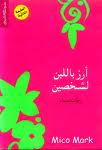
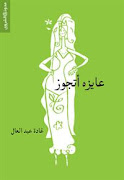
The Arabic Language and the InternetIn recent years, the internet has come to dominate our lives. E-mails and instant messaging and chat are rapidly replacing conventional forms of communication. The Web is becoming the first resource people use for information enquiries, leisure and general activities. All of this has generated an expansion in the variety and creativity of language. This phenomenon is spreading worldwide (see Crystal regarding English, 2001, 2004, 2006 and Danet and Herring, 2007 for a variety of languages including Arabic). The linguistic plurality in the Arab world and the addition of the new factor (the internet) make researching this area not only fascinating, but also necessary. The emergence of the Internet made the debate over the status of the Standard Arabic (high) and the various dialects (diglossia) (low) more or less out of date, especially with the appearance of a “new” forms of writing that is making its way into Arabic literature, encouraging the use of the dialect (e.g. Ayza Atgawiz عايزة أتجوز(2008), Ruz bi laban li shakhsain رز بلبن لشخصين (2008) and many more by Dar Al Shourouq). As a direct reaction to this phenomenon, debate in the Arab world, including calls of “saving” Arabic are taking place across the region. “New” organizations have appeared, decrying the impacts of globalization on the Arabic language, culture and identity and calling for an immediate rescue of the language (e.g., the new Lebanese Organization “Fi’il Amr” فعل أمر. Its aim is not only to preserve the language, but also to seek ways of making it adaptable to the new technologies and to highlight the dominance of foreign languages, particularly English in the everyday use. The linguistic hegemony is manifested on the internet in various ways. It appears in the discourses related to language, identity and power (e.g., Arabic hegemony over the local language of Tamazight, the dominance of French/English as the languages of the colonizers and their relationships with the global hegemonic power of the West over East). The internet has also opened up a public space in which all manner of ideas and ideologies interact with each other and compete for attention, each making arguments through the debates that take place on websites, blogs, Facebook, Tweeter…etc (e.g., the Islamist versus the Secular websites) without a confident answer that this public sphere is actually leading to “change”. Their messages are transmitted through the use of language, which in itself is loaded with power-related issues that contribute to either the existing culture or help in the emergence of a new cultural field. The internet has helped the emergence of e-Arabic. It is a language (e-Arabic) that mixes, borrows and adapts, uses numbers, Roman letters, Arabic script characters, emotions and words from other languages (English and French) to engage not only with the globalised discourse as such but also to examine the specific ways in which the local frames the global. The questions that arise are related to whether or not this “new” language is strengthening or weakening Arabic? Is this not a case of language variations as a result of contacts and change? Is change here a “blessing” and part of a natural cycle or “curse” on Arabic? In other words, what is the scale of the impacts of globalization on Arab(ic) language and culture?The organizers, the Centre for the Advanced Studies of the Arab World (CASAW) based in the United Kingdom and Fondation Temimi pour la recherche scientifique et l’information (FTRSI) in Tunisia have made significant contributions to producing research on the society, history, and cultures of the Arab world. Both have Arabic as a central research preoccupation. This conference aims at exploring the latest research on Arabic and the Internet, from within the Arab world and intentionally, in the fields of linguistics, cultural studies, political science, sociology, literature, history and geography. The organizers seek to examine language as an embedded component in every discipline. Therefore, possible topics might include, but are not limited to:• Modern Standard Arabic (MSA) and dialects in and their relationship with the internet.1. Arabic diglossia, power and identity formation2. Multilingualism in the Arab regions.3. National language versus foreign/second language and their manifestation on the internet.• Arabic language, literature and the visual arts and their role in shaping the cultural field in the Arab world under the impact of the Internet.1. The emergence of “new” Arabic literature as result of internet use.2. Use of image (Flickr), social networks (Facebook, Tweeter...etc) as forms of expression.3. The relationship between the internet, Arabic literature and culture in general.• Arabic language and power and the question of “change” in the Arab world both virtually and physically.1. The role of Arabic Language Academies in monitoring and regulating the new terminologies.2. In what way “change” is received/assimilated in the Arab world?3. How different/similar is the “change” (if any) between the virtual and the physical spaces?• The cyber sphere and the marginal/oppositional voices appearing in the Arab world. The emergence of “new” voices virtually, what forms of Arabic they use and why?1. Marginal and oppositional voices in the Arab world.2. The emergence of local voices promoting local languages (Tamazight...etc). Proposals across disciplines are welcomed.
Please send abstract of 250 words by email to both:
Dr. Anissa Daoudi: anissa.daoudi@durham.ac.uk
The deadline for submission is June 2010.