Wednesday, 22 December 2010

Tunis conference: Photos

Photos

Tunisia conference resume

The Temimi Foundation for Scientific Research and Information
And
The Center for Advanced Studies of the Arab world at the University of Durham
Organized the thirty second conference of the Forum on Contemporary Thought
on
9th to 11th December 2010
* * *

Final Statement


The Centre for Advanced Studies of the Arab world at Durham University and Temimi Foundation for Scientific Research and Information in Tunisia organized the thirty second conference within the Foundation’s Forum on Contemporary Thought titled:

Arabic language and the challenges of Internet

The conference was opened by speeches by Prof. Abdeljelil Temimi, Dr. Anissa Daoudi of the Centre for Advanced Studies in the Arab world (at Durham University), and the British Ambassador in Tunisia, the Arabist Christopher O'Connor, whose addressed in Arabic this gathering of professors and experts who came from the following countries: Jordan, United Arab Emirates, Britain, Tunisia, Algeria, Russia, Syrian Arab Republic, Serbia, Qatar, Morocco, France, Egypt, and Saudi Arabia in Arabic. The opening of the conference was also attended by the researcher and cultural expert, Mr. Anwar Habibi of the Iranian Association of Culture and Islamic Relations, and the audience included representatives of a number of local and other Arab media.

In his speech Prof. Abdeljelil Temimi, stressed that Arabic is today one of the oldest cosmopolitan languages, the fifth in terms of the number of users, a language which withstood a variety of crises, distortions, deceptions campaigns and challenges. He noted that everyone is called upon to develop projects promoting the Arabic language in the digital age and to study the linguistic reality and the interaction of Arabic with various forms of new expression. Everyone is called upon to enrich the technical content and how to address the realities of machine translation, adaptation, invention and the derivation of terms provided to us by international laboratories on a daily basis.
Dr. Anissa Daoudi highlighted the fact this conference addressed a very sensitive topic that touches on many aspects of the nature of the technological challenges facing Arabic today. Given the participation of experts from Britain, Russia, and France and as well as from many Arab countries of the Maghreb and the Arab East, she hoped that this conference would provide a platform for researchers to exchange expertise and ideas and at the same time to address seriously and practically the challenges that face this language.

The Ambassador of the United Kingdom pointed out that he learned Arabic at Durham University and confirmed that this language has a glorious history, that it is today among the most widely spoken languages in the world, and that its spread throughout the internet is inevitable. He expressed his opposition to the monopolization of one language that might lead to the exclusion of some from accessing information and making it available to as many as possible of the world’s population. He also stressed that most international institutions give Arabic a great importance, including the BBC Channel, which provides all the information in Arabic on its website.

During the eight sessions, 22 papers were presented and discussed in depth in a variety of subjects. They can be summarized as follows:
1. The historical and civilizational importance of the Arabic language:
This session highlighted the historic depth, the integral link of the Arabic language with the other languages and civilizations. It also highlighted the geo-strategic meanings and dimensions of this language. The attendees agreed that the Arabic language:
 is a key component and mediator in the transfer Arab-Islamic culture, which has enriched humanity for more than eight centuries;
 played a key role as a mediator in transferring other cultures to non-Arabs , not to mention the cultures that were transcribed using the Arabic script;
 formed a bond between 22 countries (more than 357 million people) by being their official language; and nearly a billion and half people from across the Muslim world as the language of the Quran;
 related to other languages and cultures, since the Arab world is adjacent to and interacts at its frontier regions with many languages, including the languages of the colonizer (English for the countries of the Arab East, and French for the countries of Maghreb);
 occupies a growing position as a media language widely spread internationally through the Arabic transmission, which has been reinforced by foreign Arabic-language TV satellite channels;
 occupies a growing position in presence and use on the Internet since it is classified as the seventh or eighth language in importance among the world’s languages.
While the coming of the internet has enhanced these implications and dimensions by reinforcing the possibilities to connect the Arabic language and its interaction with other languages and cultures, it has created new problems and served to shed light on gaps, which were the subject of lengthy and important discussions during the conference.
2. Problems and gaps encountered by the Arabic language on the Internet.
The conference’s participants focused on some hot problems of research in relation to the gaps found in Arabic, concluding that its condition today is weak. Reality reveals the language’s importance in terms of its presence and use on the internet, as noted above. However, this presence remains quantitative. It was noted that this language is subject to multiple constraints caused mostly by:
competition from other cultures, languages and systems of information;
 the increase in the number of sciences and globalized applied technologies, which do not find their place, in most cases, on the Arab knowledge map;
 the growing numbre of terms associated with these sciences and technologies, which often do not find their equivalents in the Arabic language;
 the ideological issues related to language: diglossia (Arabic / Amazigh, Arabic / Kurdish, classical / colloquial, Arabic / French, Arabic / English), Arabization / non-Arabization of education; change of the Arabic script into Latin script, etc.;
 the inadequacy of computerized and telecommunication infrastructure, which appears in the form of obstacles facing the Arab user in terms of broadcasting, research or communication;
 computerizing and digitization of the Arabic language: automated processing of natural language and its applications, automatic indexing, machine translation, OCR Scanning, search engines, etc.;
 the weakness of the Arabic digital content: the Arab production does not exceed one and a half percent (1.5%) of the global intellectual production. In addition, this production is not yet collected, processed, or digitized. Attempts by the Alexandria Library, “Sakhr,” and others do not meet basic scientific needs due to the absence or inadequacy of computing solutions such as scanning and search engines;
- the new communicative challenge: the writing imposed by the need to connect through the electronic social media (and this does not concern the official and academic websites, which use literary Arabic), as well as the search for the easiest ways to get the message to the recipient, have led to the use of the spoken language, which is differs the literary language structurally, in spelling, and in grammar, and to use the Latin script, numbers, pictures, etc. to complete the content of the message;
- the weakness of legislation on copyright, publishing and digitization, and lack of enforcement of existing legislation.
3. Possibilities and mechanisms of overcoming the gaps of the Arabic language
In the face of all this, and in order to increase the level of the presence of the Arabic language on the internet and to integrate it into the geopolitical and economic environment of the information and knowledge society, the conference gave rise to very important ideas, analyses and projects. In this context, the participants insisted on emphasizing:
- that the Arabic language is the basis and support of Arab culture, and that its issues are national security issue. This calls for the need to address its situation and take the necessary decisions to maintain and develop it, to achieve its total use, and to instill pride in it and make it at the forefront of national and pan-Arab concerns, including the forthcoming cultural summit;
- the need to increase the competitive potential through:
- strengthening the Arab scientific reference by assimilating the sciences and applications and integrating them into the knowledge map of the region;
- facing the Arabic lexical gap, including the crisis in encyclopedias on the Internet;
- resolving issues of telecommunication and computing infrastructure and digitization of the Arabic language, including the issues of software, indexing, translation, OCR scanning, and search engines, domain names, etc.;
- establishing an Arab industry of digital content by strengthening the infrastructure of information and telecommunication and the imposition of the needs of the region on manufacturers of hardware and software, to suit the particularities of Arabic language and civilization, and meet the shortfall in the specialists in content production, in scarcity of resources, and as well as the lack of cooperation between Arab countries, etc.;
-establishing a three-dimensional digital Arabic base consisting of three gates:
- An Arab digital education portal
 An Arabic digital infrastructure portal and Arabic digital library
 A portal of modern Arabic translation
- avoiding the double weakness of the holders of the Arabic language through education reform and revision of curricula and pedagogy on the one hand, and on the other, to invite the Arab states to enact a language binding legislation and the development schemes to give linguistic prominence to the Arabic language as the language of identity, civilization, development and national security, and to regulate its necessary relations toother languages;
-addressing the new communication challenge by understanding the new linguistic phenomenon of the Internet, and adopting its modernist aspects and avoiding its negative aspects so that this new language does not replace in the future the written form of Literary Arabic;
-intensifying initiatives such as these fruitful scientific meetings in order to preserve and defend the integrity of our language today and tomorrow.
The participants devoted a session to an open dialogue, which addressed the increasing number of issues of direct relevance to the Internet. This dialogue was characterized by high academic interest, and it was in reality and in fact a very rich interchange of views and insights by all participants in an atmosphere of freedom of expression and mutual respect among all participants.
In conclusion the participants stressed the following:
 their feeling of gratitude for the precious opportunity made available to them to get to know the scientific potential offered by Tunisia through academic non-governmental organizations, which serve the knowledge and research, and work to rationalize the scientific projects and to address many of the issues in collaboration with a number of Arab and international scientific institutions. This was expressed on this occasion through the partnership between Temimi Foundation for Scientific Research and Information and the Center for Advanced Studies of the Arab world at Durham University;
 their high appreciation to the Arabist Ambassador of the United Kingdom in Tunis who welcomed the participants and to the Director of the British Consulate who supported the initiative to convene the conference;
 expressing their deep appreciation and gratitude to Temimi Foundation, in the person of its founder and pioneer Prof. Dr. Abduljelil Temimi, and the Centre for Advanced Studies of the Arab world, in the person of Dr. Anissa Daoudi, for organizing the conference, given its theme’s immediate and future importance for the Arabic language and the Arab world, as well as for the warm welcome and hospitality, and the feelings of genuine brotherhood extended to them.

Thursday, 16 December 2010

E-Arabic conference in Tunisia

The International conference organised by La Fondation Temimi pour la recherce scientifique headed by Prof. Abdeljalil Temimi and CASAW's Research Fellow Dr. Anissa Daoudi took place on the 9th , 10th and 11th December 2010.

Arabic Language and the Internet***
La langue Arabe face aux défis technologiques

Fondation Temimi – Tunis
09-10-11 décembre 2010

* * * *
Adresse de la Fondation : Immeuble Al-Imtiaz –
Centre Urbain Nord – Charguia I - Tunis 1003
Tél. (00216) 71 231 444 /(00216) 71 751 164
fax :(00216) 71 236 677
E. Mail : fondationtemimi@yahoo.fr / fondationtemimi@gnet.tn
Internet://www.temimi.refer.org (français/عربي)
***
Anissa.Daoudi @ durham.ac.uk
University of Durham

ARABIC LANGUAGE IN THE FACE OF THE INTERNET AND TECHNOLOGICAL CHALLENGES

A considerable number of colloquia and conferences have been taking place periodically across the Arab world to address the position of Arabic language in today’s world and the need to protect its usage, in the written and spoken forms, at school, the home, and various media venues. This stems from the belief that everyone, linguists, journalists and teachers, must preserve the language’s purity as a medium that survived over 16 centuries. This longevity constitutes irrefutable testament to the fact that Arabic has resisted the various crises, which afflicted the Arab and Muslim worlds, and managed to become a language in which speakers, regardless of nation and race, take pride.
We believe that the strategy to defend Arabic requires full understanding of the current technological changes and their direct impact on Arabic. These include digital technology and attempts to enrich the lexicographic corpus, and their consequences. Such inquiry must involve the new media for creative writing; language identity; and linguistic reality in the context of the language’s struggle against new technical forms of expression. It should also address interaction between Arabic and English, with a view to understanding the nature of new technical terms and how they affect the identity of Arabic; the common features of these new technical processes; and finally, the comparison of language issues in the Maghreb and in the Arab East.
The initiative for a conference with such exceptional aims came from the Centre for Advanced Study of the Arab World (CASAW) at the University of Durham and in partnership with Fondation Temimi pour la Recherche Scientifique et l’Information (FTERSI). Distinguished specialists in this field of study have been selected from Britain and the Arab world.
We are delighted to be behind an effective and apolitical new kind of academic dialogue, which stands to serve the interests of Arabic in a context of setbacks for the language in the audio-visual field and in daily usage, whose level has reached a moment of danger.
Our thanks go to CASAW and FTERSI for planning this conference. We also would like to extend our gratitude to the British Ambassador in Tunisia, Mr. Chirstopher O’conner, and the British Council who welcomed the conference and supported convening it in Tunis.
We hope that our efforts will succeed.

Dr. Anissa Doudi Prof. Abdeljelil Temimi


***

Programme : Jeudi 09 décembre 2010
Séance d’ouverture

9.30-9.50
- Allocution du Prof. Emérite Abdeljelil Temimi
9.50-10.10 - Allocution du Dr. Anissa Daoudi, (Univ.de Durham)
10.10-10.20 - Allocution de Son Excellence Christopher O'Connor Ambassadeur de Grande Bretagne en Tunisie.10.20-11.00 - Pause

1ère séance scientifique
Président : Prof. Abdeljelil Temimi
Axe : Langue et défis de la technologie et de la Mondiatisation

11.00-11.30 - 1ère Conférence key-note donnée par IBN ELKHAYAT, Nouzha (Ecole des Sciences de l'Information - Rabat) :
" La langue arabe et Internet: Problèmes et significations"
11.30-11.50 -ABDURAB, Habib (Institut National des Sciences Appliquées – Rouan - France) :
" Projet de promotion de la langue arabe à l’ère du numérique"
11.50-12.10 HAFEZ, Sabry, (Université de Qatar, Qatar)
"Who is Afraid of the Internet: eArabic as a language of Dissent? "
12.10-13.30 Discussion
13.30-14.30 Déjeuner

2ème séance scientifique
Prof. Nouzha Ibn ElKhayat

14.40-15.00 -ALMAHASSINI, Marwan (Académie de la langue Arabe - Syrie) :
" Eléments du contenu arabe dans Internet"
15.00-15.20 - ABID, Abdellatif (-Tunis) :
" Crise de la traduction dans le monde arabe""
15.20-15.40 - IZWAINI, Sattar (American University of Sharjah) :
"Arabic in a Computer-mediated Communication Context"
15.40-17.00 Discussion
17.00-17. 20 - Pause.

3ème séance scientifique
Président :Dr. Anissa Daoudi

17.20-17.40

- CHIBANI, Abdelkader Fahim (Univ Mascara – Algérie) :
" Chat et icônes : recherche en simiologie calligraphique »
17.40-18.00 - RABABA, Youssef (Jordanie) :
" Ecriture arabe et chat : caractères latins et parler »
18.00-18.20 MAATOUG, Fraj, (Faculté des Sciences Humaines et Sociales - Tunis) :
" La langue arabe et les Arabes au XXIe siècle: Qui est au secours de l’autre? "
18.20-19.00 Discussion
19.30 Dîner offert par Son Excellence Christopher O'Connor, Ambassadeur de Grande Bretagne en Tunisie à la Résidence à la Marsa Vendredi 10 décembre 2010

4ème séance scientifique
Président : Dr. Aissa Ahmed
Axe : Langue et transformation de l’identité

9.00-9.20 -BENSLAMA, Béchir (Ancien Ministre de la Culture – Tunis):
"L’arabe littéraire et les dialectes locaux : théorie de la greffe rythmique"
9.20-9.40 - METOUALI, Nariman (Univ. Tiba, Arabie Saoudite) :
" La langue arabe et les problématiques de l’enrichissement du contenu arabe dans Internet »
9.40-10.00 -BEN TAREEF, Atef (Univ. de Jordanie) :
"The Effect of Technology on Languages” “
10.20-11.20 - Discussion
11.20-11.40 - Pause

5ème séance scientifique
Prof. Atif Ben Tareef

11-40-12.00 - KAABI, Mongi (Univ. de Tunis) :
" La langue : Esprit de clan et puissance"
12.00-12.20 -- Panovic, Ivan (University of Oxford):
“Tweet Like an Egyptian Sociolinguistic Aspects of Microblogging in Egypt”
12.20-12.40 - JAMAOUI, Sabeur (Univ. 7 novembre - Tunis) :
"Etat de la traduction automatique entre l’arabe et l’anglais sur l’Internet"
12.40-13.40 - Discussion
13.40-15.00 - Déjeuner

6ème séance scientifique
Président : Abdellatif Abid

15.00-15.20 - DARDARI, Tuhami, (Chef de département de philosophie, Faculté des lettres, université Cadi Ayyad) :
"Etat linguistique de la langue arabe et nouvelle technologies"
15.20-15.40 - ABURISHAة Zuleikha (Jordanie) :
La langue et le ‘Gender’ : une lecture des mails à travers les lecteurs »
15.40-16.00 - AL-ISSA, Ahmed (Univ. Américaine du Sharjah) :
“Global Migrations, Global English, and the Transformation of Identity: The Case of the United Arab Emirates”
16.00-17.00 Discussion
17.00-17.20 - Pause
7ème séance scientifique
Président : Prof. Dr. Areef
17.20-17.40 -Dr. EL YOUSFI, (Institut du Monde Arabe, Paris, France) :
"Une lecture analogique et critique sur la position de l’Institut du Monde Arabe à Paris »
17.40-18.00 - BEN-OTHMAN, Raoudha (Faculté des Sciences Humaines et Sociales – Tunis) :
"Silence in Arabic Blogs"
18.00-19 :00 - Discussion
19.30 Dîner à l’Hôtel le Belvédère avec la présentation du Dr. Saloua Hfaiedh, docteur en musicologie, de quelques anciennes chansons tunisiennes Samedi 11 décembre 2010

8ème séance scientifique
Président : Prof. Mongi Kaabi

9.00-9.20 - DHAOUADI, Mahmoud (Univ. de Tunis) :
" La carte des problèmes de la langue arabe au Machrek et au Maghreb"
9.20-9.40 - DIOURI, Mourad (CASAW Edinburgh University) :
“eTAFL (e-Teaching of Arabic as a Foreign Language): Modernising the way we learn and teach Arabic using emerging Internet technologie””
9.40-10.00 - DHIEB, Ahmed (Tunis) :
“" la diglossie linguistique en médecine “
10.00-11.00 Discussion
11.00-11.30 Pause
9ème séance scientifique
Président : Prof. Mohamed Salah Omri

11.30-11.50 - SAADI, Othman (Algérie) :
“ La langue arabe et la multiplicité linguistique"
11.50-12.10 - -BERNIKOVA, Olga (St-Petersburg State University, Russia):
“The Arabic Language and Innovative Methods of Linguistic Research"
12.10-12.30 - KSIBI, Ahmed (ISD – Tunis) :
"Les bibliothèques virtuelles arabes : base du contenu sur le net"
12.30-12.50 - Dr. KAHTANI and Dr.ZAHRANI, (Immam University, Riyadh, Saudi Arabia) :
"Des orientations de l’enseignement de la langue arabe aux non arabe dans les instituts saoudiens : l’utilisation de l’Internet et de l’ordinateur"
12.50-13.30 - Discussion
13.30-14.00 Lecture du rapport final
14.00-15.00 Déjeuner
9ème séance scientifique
Président : Prof. Abdeljelil Temimi

15.00-17.00 Round Table Discussion
Current approaches for analysing Arabic on the Internet:
Dr. Mohamed Salah Omri (Oxford University), Dr. A. Daoudi (Durham University), Prof. Sabry Hafez, Prof. Emma Murphy (Durham University) and the others colleagues should participate on this Round Table

Tuesday, 21 September 2010

An Egyptian Woman’s Blog-to-book Success (That Has Nothing to Do With Marriage, Love, or Men)

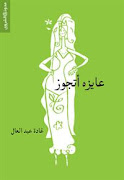
There have been many blogger-to-novelist leaps in Egypt (Ahmed Naji, Rehab Bassem, Ghada Mahmoud). The most famous is Ghada Abdel Aal, whose blog-to-book, Ayza Atgowaz, (I Want to Get Married) was made into a TV serial this Ramadan, and has been translated into both English (out next month from U of Texas Press) and Italian.

But Ingi Amr, a blogger whose first book is titled To Each Her Own, didn’t follow in Abdel Aal’s famous footsteps.

Amr’s book, published by new publishing house Saray, is about six young working women, all of whom are members of what Amr calls “the disappearing middle-class.” According to a review in Cairo 360: the stories are not about relationships, but about “mundane and typically Egyptian experiences in different aspects of life, such as work, travelling abroad, cooking and even parking in Tahrir Square.”

Cairo 360 added that the book is not exactly a work of art, but a light and optimistic read.

But regardless of its artistic status, apparently, the book—written in English—is selling well. According to Daily News Egypt:

In its first month of publication “To Each Her Own” has become Shorouk bookstores’ No. 2 bestseller, beaten to the top spot only by the international teenage-vampire phenomena “Twilight.”

To Each Her Own is the first book of publishing house Saray, which is now apparently swamped with manuscripts. And, in the vein of optimism, Sarah Abou Bakr, head of Saray, had this cheering thing to say to Daily News Egypt about publishing in Cairo:

The most important thing is that you believe in the writer and the book and that the material is something you are proud of publishing. Books will never go out of business. They might take a different form but they won’t disappear. And if the economy is down now, then this is the best time to start, because it will grow again.

Next up for Saray is Little Pearls, an English-language book by Sarah Ayman, and two Arabic books: one a short story collection and another a play.

New Kids on the Blog - Young Arab Literature on the Internet

with Ghazi Gheblawi, Hassim Blasim, Sudanese thinker and Ghada Mohamed Mahmoud
Sep 25, 2010 01:00 PM
Reflections
Heinrich-Böll-Stiftung
Authors Hassan Blasim, Sudanese Thinker, Ghada Mohamed Mahmoud, Ghazi Gheblawi
Host Doreen Khoury
Speaker Frank Arnold

In the recent years the political activities of Arab bloggers have drawn international attention. Less prominent are the bloggers who are using new social media to create literature. The internet helps young authors in particular to evade oppressive state censorship, to discuss religious matters freely and diverge from the cultural mainstream. Many Arab authors have won large followings with their courageous writing, and they are able to actively communicate with their »fans« over the internet. This success has lead to some of the blogs being published as books. In particular young female authors have managed to break free from existing taboos and give this new Arab generation an uncensored literary voice which calls for development and renewal. In this event four authors will read from their blogs and take part in a panel discussion on literature, freedom of thought, gender and identity in the Arab world in new media.

Wednesday, 1 September 2010

اللغة العربية في الزمن الرقميّ: ستُّ فجائع، وثلاثةُ مقترحات!

اللغة العربية في الزمن الرقميّ: ستُّ فجائع، وثلاثةُ مقترحات!


(1) مدخل: نحو جَدَلٍ حول مأساة واقع اللغة العربية في الزمن الرقميّ!
يستخدم العرب، بأعداد أكثر فأكثر لحسن الحظ، البريدَ الإليكتروني وتصفّحَ مواقع وصُحُف إنترنت، وتنزيلَ المواد الإليكترونية من مقالاتٍ وأغان... إذا اعتبر القارئُ هذا الحضورَ العربيَّ انتماءً للعصر الرقميّ، فمن الأفضل أن لا يواصل قراءة هذا المقال، لأن هذا القارئ الأريب أشبه تماماً بمن يُعرِّف الإنسان بـ«كائنٍ حيّ يتنفّس ويأكل ويشرب فقط»!...
هدف هذا المقال: 1) رسم الخارطة المأساوية لخواء حضور اللغة العربية في الزمن الرقمي، 2) لفت نظر الجميع لتأخّرِها المرعب للبدءِ ببناءِ قاعدةٍ تحتيّة لحضورها على الإنترنت، في حين أكملَ معظمُ الدول بناء هذه القاعدة التي أخذَتْ عدّة عقود، قبل أن تَبدأ عصرَ الرقمنةِ ومشاريعَه المعرفيّة العملاقة، 3) إثارة جدلٍ عربيٍّ واسع حول هذا التأخر، 4) ضمّ أكبر مجموعة من عشّاق اللغة العربية من كتّاب وباحثين ومدرّسين وطلّاب، وأصحاب قرار أيضاً (أياً كان ضعف إدراكهم للأهمية القصوى لإنقاذ اللغة العربية، أو رغبتهم الحقيقية في دخولها غرفة الإنعاش) للعمل لتحقيق أهداف محدّدةٍ متكاملة لإنقاذِ لغتنا التي نعشقها أيّما عشق!...
قبل سرد الفجائع الستّ التي ستوضح للقارئ أن العربية في العصر الرقميّ عملاقٌ من قش، يلزمني إعطاء تعريفين!...
(2) النص الورقيّ والنص الرقميّ: تعريفان لا بدّ منهما، قبل سرد الفجائع!
إذا كان تعريف النصّ الورقي سهلاً («هو نصٌّ مكتوبٌ أو مطبوعٌ على عدد من الأوراق...») فتعريف النص الرقمي أصعبُ وأوسعُ بكثير: هو نصٌّ يصلُ من شبكة كمبيوترات (تتكون من كمبيوتر واحدٍ على الأقل، أو تضمّ كلَّ كمبيوترات الكون إذا لزم الأمر) ويُقرأُ على شاشة. غير أن له خصوصيات عدّة، شديدة الأهمية والثراء، لا توجد في النصّ الورقيّ، سأسرد أبرزها الآن:
أ) هو نصٌّ فائق، Hypertext: تتعانق فيه كل الوسائط معاً، من صوتٍ وصورةٍ وفيديو، في وعاءٍ تفاعليٍّ جميلِ الإخراج، متعدِّدِ الأبعاد، عبقريِّ المحتوى! لذلك هو أرقى وأثرى الوسائط الثقافية التي عرفها الإنسان منذ فجر التاريخ!... (لعلّ عبارة: «نصّ تشعبّي»، التي تُستخدم غالباً لترجمة Hypertext ليست مناسبة جدّاً!).
ب) هو نصٌّ مفتوح (وليس مغلقاً مثل النص الورقيّ الذي يبدأ بالصفحة الأولى وينتهي بالأخيرة) بفضل «صلات النصوص الفائقة»، Hypertext Links، المشار لها عادةً بخطوط أسفل أية كلمة، والتي تسمح (عند نقرِها) بالانتقال إلى موضعٍ آخر في نفس النص أو إلى أيِّ نصٍّ آخر في أي كمبيوتر في أطراف الكرة الأرضية. تستطيع هذه الصلات أيضاً الانتقالَ الآلي إلى قواميس لشرح مدلولات كلمات النص، أو تقديمَ أية معلومات عنها...
ج) هو نصٌّ هوائي، يمكن الوصول إليه من أي جهاز (كمبيوتر، تلفون نقال، جهاز ألعاب الكترونية، جهاز القارئ الالكتروني الجديد...) ومن أي مكان: المكتب، الشارع، الشاطئ، سرير النوم، المرحاض... ثمة استعارة تقليدية أنيقة تُصوِّر هذه الخصوصية بشكلٍ صائب: Cloud Computing، أو «الحوسبة السحابيّة» إذا جاز القول!...
د) هو نصٌّ ذَرِّيُّ الفهرسة (يتم فهرسةُ جميع كلماته، وليس فصوله فقط مثل الكتاب الورقيّ) بفضل ما تسمى: «موتورات البحث» الكونية (مثل جوجول الذي يحوي حاليا أكثر من 25 مليار نص، ومليار صورة، موزعة على نصف مليون كمبيوتر، في 32 موقعاً جغرافياً أميناً، كثيرٌ منها تتخندقُ قرب المفاعلات النووية)... بفضلها يمكن الوصول إلى النص الرقميّ بطريقة عبقرية لم تخطر ببال قبل سنوات قلائل: يكفي أن تُقدَّمَ لموتورات البحث كلمةٌ أو بضعةُ كلمات من النصِّ أو من عنوانه، أو كلمات قليلة تتعلّق به، كي تضع هذه الموتورات النصَّ أمام القارئ (مثل خاتم سليمان السحريّ) وتعرضهُ على الشاشة في بضعة ثوان! ليس ذلك فحسب، بل تقدِّم رهن إشارة القارئ في نفس الوقت أيضاً، جميع النصوص والوثائق والكتب الموجودة على الإنترنت التي تحتوي على تلك الكلمات المقدمة لموتورات البحث!... ألا تبدو الحقيقة هنا أشدَّ إعجازاً من الخيال؟...
ه) هو نصٌّ سهلُ التحديث (يتطلب ذلك ثوانٍ فقط أحياناً، بعكس النص الورقيّ الذي يلزم إعادة طبعه!)، سهلُ النسخ والنقل والإرسال (يتمّ ذلك في هنيهات!)، سهلُ الحمل (لا وزن له أو أعباء لوجيستيكية!)، ليس له أية مضار بيئيّة مثل النصّ الورقيّ!... ناهيك أنه أرخص من النص الورقيّ بكثير لاختفاء الحاجة للورق والحبر والمطابع ومكتبات التوزيع!...
(3) الفجيعة الأولى: لغةٌ بلا بناءٍ تحتيٍّ معرفيّ!
توالت على العالم منذ بدء التسعينات من القرن المنصرم، لاسيما الغرب والشرق الأقصى، مشاريع عملاقة تدعمها الدول والجامعات والمؤسسات العامة، لِرقمنة البناء التحتي للمعارف والحياة العمليّة من نصوص علمية وتقنية وثقافية متنوعة، ودراسات ومحاضرات ودروس للطلاب من المدرسة الابتدائية حتى الجامعة (أقود شخصيّاً مشروعا قوميّاً فرنسيّاً تساهم فيه بعض الجامعات ومراكز الأبحاث، يرتبط برقمنة بعض مواد «الحاسوبيات اللغوية»)، وقواميس وموسوعات وخرائط جغرافية حيّة ترسلها الأقمار الصناعية بشكل مباشر. لكن العالم العربي يعيش في كوكبٍ آخر بعيدٍ كليّةً عن منملة هذه النشاطات والمشاريع شديدة الجوهرية!...
النتيجة اليوم تفقأ العين: بوابات إنترنت للبناء التحتي المعرفي لكل تلك الدول (بوابات المشاريع القومية الرسمية والمكتبات الرقمية المجانية المتخصصة في شتى المجالات، مواقع المؤسسات التربوية العامة أو الخاصة، الجامعات ومراكز الأبحاث، الأساتذة أو الطلاب...) زاخرةٌ بملايين الصفحات الرقمية التي تشكّلُ الصرح الجديد لمجتمعات المعارف!...
يجد القارئ اليوم في مواقع إنترنت تلك الدول ملايين النصوص والكتب الرقمية العلمية والثقافية!... جميعها مدجّجة بـ«صلات النصوص الفائقة» التي تسمح بالانتقال اللحظيّ المباشر إلى جميع المراجع الرقمية المذكورة في تلك النصوص والكتب الموجودة على الإنترنت. معظمها غنيّةٌ بكل الوسائط من صوت وفيديو وصور ذات ثلاثة أبعاد، مُترعةٌ بتمثلات التجارب المختبرية ونصوص المحاضرات بالصوت والصورة، متجدّدةٌ ومتطوِّرةٌ في كل لحظة!...
ثمّة ملايين المحاضرات والمقالات العلمية والتمارين المحلولة والتجارب العلمية والدراسات والأبحاث المقدّمة بطرق تربوية تفاعلية ثريّة طازجة، في كل اللغات... إلا العربية!
ثمّة أيضاً مكوّنات جديدة لِلبناء التحتي للمعارف الرقمية لم توجد قبل إنترنت، صارت إحدى أهم مناهل المعرفة على الصعيد الكوني: الموسوعات التي يتمُّ تطويرُها ورفدُها يومياً، بشكل تفاعليٍّ تعاضديٍّ كونيّ، مما جعل الموسوعات الورقية تبدو بالمقارنة بها شديدةَ الفقر والتخلف!...
يلزم الإشارة هنا إلى موسوعة ويكيبيديا على سبيل المثال، التي يمكن لأي إنسان متطوِّعٍ إغناءُها بأية لغة، والتي أضحت مرجع الملايين من البشر يوميّاً!... يصعب هنا عدم التنويه إلى أن معظم طوبات هذه الموسوعة، لاسيما في أغلب المجالات العلمية والثقافية، تخلو من الترجمة إلى العربية، في حين تُترجم غالباً إلى لغاتٍ أقل تداولاً من العربية بكثير!... يكفي فتح هذه الموسوعة على الإنترنت وتقديم أي كلمة، بلغة غير العربية، لموتور بحث الموسوعة، لرؤية النص الموسوعيّ المتعلق بهذه الكلمة مترجماً لِعديد من اللغات الأكثر أو الأقل تداولاً على السواء، إلا العربية! (الكارثة أصمُّ وأطمّ: في أحيان كثيرة لا يوجد حتّى رديفٌ عربيٌّ لتلك الكلمة!)... عدد المواضيع المكتوبة في ويكيبيديا باللغة البولندية، على سبيل المثال، يساوي عشرة أضعاف ما هو مكتوبٌ بالعربية تقريباً!...
باختصار شديد: في كل المجالات العلمية والتقنية، وفي معظمِ الحقول الثقافية والعمليّة، تمتلك اللغات (عدا العربية) اليوم قاعدةً تحتيةً معرفيّةً رقميةً متعدّدةَ الوسائط (أقصت النصّ الورقي وحلّت محله تماماً، ليبدو، في هذه المجالات على الأقل، وكأنه من مخلفات العصر الحجري!). صناعة المعارف فيها دخلت سباقاً يوميّاً! أما القاعدة التحتية المعرفية بالعربية فهي غائبةٌ بشكلٍ كليّ: لا توجد أيّة مشاريع عربية تستحق حتى الذكر، في هذا الجانب!...
لعلّ اللغة العربية تحتضرُ اليوم بهدوء جراء عدم مواكبتها الزمن الرقميّ: لا يجد فيها الطالب أو المدرّس ضالّته! لذلك، على سبيل المثال، أضحت المواد العلمية تُدرَّسُ باللغات الأجنبية في كل المدارس الخاصة في العالم العربي، وفي كثير من المدارس الحكومية أيضاً. ناهيك عن غياب العربية شبه الكليّ في تدريس المواد العلمية والتقنية والطبية في جميع الجامعات العربية تقريباً، بسبب عدم استخدامها لكتابة المعارف الحديثة!... ربما لذلك يُقال اليوم أكثر فأكثر إنّها «لغةٌ لا تصلح للحداثة، بلا مصطلحات»!...
(4) الفجيعة الثانية: لغةٌ تعاني من أنيميا الترجمة!
من المعروف أن حملة الترجمة الواسعة من مختلف اللغات الإغريقية والسريانية والفارسية والسنسكريتية والحبشية، في العصر العباسي، للكتب الأجنبية في شتى المجالات من فلسفة ومنطق وطب وفلك ورياضيات وأدب، أغنت العربية براوفد فكرية وكلمات ومصطلحات كثيرة، لتصبح بفضل ذلك لغة الحضارة الكونيّة في القرون الوسطى (مثل الإغريقية قبل الميلاد، والإنجليزية والفرنسية والأسبانية اليوم).
ومن المعروف أيضاً أن اليابان لم تتحوّل من دولة متخلفة في بدء القرن التاسع عشر إلى إحدى أكثر دول العالم تقدّما اليوم، إلا بفضل حملة ترجمة واسعة لكل معارف الغرب وانجازاته وسياسته التعليمية، انطلاقاً من أن ترجمة إبداعات الآخر الأكثر تطوراً، واستلهام نهجه، هو مفتاح اللحاق به!...
وفي العقود الأخيرة شنّت الصين أيضاً حملةً واسعةً شرسةً لترجمة المعارف الكونية، لاسيما الغربية، انطلاقاً من نفس المبدأ. استخدمت في ذلك الوسائل التقنية الحديثة، لاسيما إنترنت. قدّمت عروضاً ومكآفات للمترجمين من متخصصين أو طلاب، داخل الصين أو خارجها. فتحت معاهد وأقسام جامعية ونظَّمتْ مسابقات عديدة للترجمة!...
ثمة اليوم (بفضل الحاسوب، وعلوم الكمبيوتر الجديدة، لاسيما علوم «الحاسوبيات اللغوية») طرائق آلية جديدة، تسمح للكمبيوتر بترجمة النص دون مترجم، وبشكل فوريّ! البرمجيات التي أنتجتها هذه التطورات العلمية والتقنية تستطيع اليوم ترجمة كتاب، أو موقع إنترنت، بدقائق. ربما مازالت نتيجة ترجمتها غير دقيقة أو غير جيّدة أحياناً، لاسيما عند ترجمة النصوص الأدبية واللغوية المعقدة. لكنها تساعد على الحصول على نصٍّ أوليٍّ خامٍ سريع جدّاً، يكفي تصليحه وتحسينه يدويّاً للحصول على الترجمة النهائية!... مازال استخدام هذه التقنية عربياً ضعيفاً جدّاً رغم إمكانية استثمارها بقوّة، لاسيما لِردمِ هوّة الترجمة العلمية والتقنيّة والثقافية!...
أنيميا الترجمة العربية صارخةٌ اليوم: كثير من أعين الكتب العالمية لم تر النور بعد بالعربية! معظم أمهات الكتب الحديثة التي تشكّل نبراس الحضارة المعاصرة غير معروفة بالعربية! يكفي لاستيعاب حجم الكارثة ملاحظة أن ما ترجمته إسرائيل في السنوات العشر التي تلت تأسيسها يفوق كل ما ترجمه العرب منذ بدء القرن التاسع عشر إلى اليوم!...
(5) الفجيعة الثالثة: لغةٌ بلا مُدوّنة!
مدوّنةُ أية لغة، (Corpus)، هي مجموعةٌ هائلة (تعدُّ كلماتها بالمليارات) من عيّنات النصوص المكتوبة أو المنطوقة، الآتيةِ من قطاع متنوع عريض محايد من المصادر (الصحف والمجلات المكتوبة والمسموعة والمرئية، الكتب المتنوعة، النقاشات، التقارير، مواقع إنترنت...) والتي تعطي صورةً دقيقةً كاملةً عن اللغة في مختلف أشكالها واستعمالاتها اليومية والعلمية والعمليّة والأدبية، خلال مرحلةٍ زمنية معيّنة!...
تمتلك اللغات اليوم مدوّناتها، المسماة أحياناً «بنوك اللغة». ثمة بوّابات على الإنترنت تسمح بالوصول لـ«قواعدها البيانية» الضخمة والبحث المحدّد في طيّاتها، أو معالجتها أتوماتيكياً بشكلٍ إجمالي! من كنوزها (التي يتمُّ رفدها كل يوم) تُستخلَصُ القواميس والمعاجم المتخصصة في المجالات اللغوية والعلمية والتقنية والعملية. هي المختبر الذي تخرج منه الدراسات اللغوية المتنوعة لِبُنيَة اللغة وظواهرها وشتى دلالات كلماتها، لنواقصها واحتياجاتها المتجدّدة، لمعاجم تاريخ وأصول الكلمات وعلاقتها باللغات الأخرى (المعاجم الإيثومولوجية التي لا توجد حتى الآن في اللغة العربية)!...
المفارقة المثيرة والمؤلمة أن اللغة العربية التي كانت أول من أسس القواميس والمعاجم اللغوية (منذ الخليل بن أحمد الفراهيدي صاحب قاموس العين، وربما الأصمعي قبل ذلك)، والتي قامت في عصرها الذهبي بِدورٍ طليعيٍّ في تأسيسِ دراسات النحو والصرف العبقرية، وتصنيفِ المفردات وترتيب جذورها واشتقاقاتها، وتأليفِ كل المعاجم (بما فيها معاجم الجنّ والشياطين!)، والتي انفتحت بشكلٍ مبكِّرٍ على لغات العالم منذ العصر العباسي وحملة ترجماته الزاخرة، لا تمتلك حتى الآن مدوّنتها اللغوية، أو أي معجم إيثومولوجي!...
(6) الفجيعة الرابعة: لغةٌ بلا «مُتعرِّفٍ ضوئيٍّ لِلأحرف»!
المتعرِّف الضوئي لِلأحرف، Recogonizer Optical Character،OCR ، (أو القارئ الضوئي الآلي) برنامجٌ قاعديٌّ ضروريٌّ تمتلكه كل لغة، يسمح بتحويل النص المصوّر بكاميرا أو ماسح ضوئي (سكانير) إلى نصٍّ رقميّ يمكن فتحه بناشر الكتروني (مثل «ورد»)، وأرشفته كملف على الكمبيوتر!... لا يوجد حتّى اليوم قارئٌ ضوئيٌّ آليٌّ عربيٌّ يستحق أن يحمل هذا الاسم! (بيعت في الأسواق العربية برامج غير جيدة لهذا الغرض، رمى بها بعض من اشتراها في سلّة المهملات، رغم سعرها الباهظ!).
يُشكِّلُ عدم تصميم برمجيةِ قارئٍ ضوئيٍّ آليٍّ لأحرف اللغة العربية حتى الآن عائقاً كبيراً يمنع دخولها عصر الرقمنة، لأنه وحده ما يسمح بتحويل صور صفحات الكتاب إلى نصوصٍ رقميّة!... دونه يلزم من جديد إعادة طباعة كل ما كُتِب بالعربية على الكمبيوتر!... تستخدم اليوم كلُّ اللغات، التي تمتلكُ قارئاً ضوئياً آلياً ، أجهزةً الكترونية ذات «روبوتات» تستطيع بدقائق، وبشكل آليٍّ كامل، فتح الكتاب وتصويره صفحةً صفحة، وتمرير القارئ الضوئي الآلي عليه لِتحويلهِ إلى نصٍّ رقميّ، قبل أرشفتهِ وزجِّهِ في فضاء إنترنت الكوني ليصل إلى أرجاء العالم في لمحة بصر!...
بعض هذه الأجهزة، الذي يكلّف الواحد منها اليوم حوالي ربع مليون دولار، تشتغل في هذه اللحظة التي أكتب فيها هذا المقال، لرقمنة مئات الكتب يوميّاً، بلغاتٍ غير العربية!... في 2007 فقط رَقْمَنَ مشروع جوجول مليون كتاباً بفضل هذه التكنولوجيا!.
انتقال النص من مرحلته الورقية، إلى نصٍّ رقميٍّ يهيم في شبكة كمبيوترات إنترنت الكونية، يمثِّلُ عبوراً من مرحلة حضارية سحيقة إلى أخرى أرقى بكثير (أشبه، دون مبالغة، بالانتقال من عصر الشموع إلى عصر الكهرباء) لما يتمتع به النص الرقمي من مواصفات سردتُها أعلاه!
يمثّل غياب قارئٍ ضوئيٍّ آليٍّ لِصُور النصوص بالعربية معضلةً قوميّة يصعب تصوّر إمكانية وجودها اليوم، في أي بلد، ناهيك عن عالمٍ تمتلك بعض دولهِ ثروات وإمكانيات ماديّة هائلة، كالعالم العربي!...
(7) الفجيعة الخامسة: لغةٌ بدون تقنيات تصحيحٍ وموتورات بحثٍ ملائمة!
أتاحت ديموقراطية إنترنت وسهولة النشر الإلكتروني الكتابةَ المباشرة والنشر السهل للجميع، وليس للنخبة فقط كما كان الحال قبل إنترنت!... إذا كانت تلك نعمةً للشعوب التي حدثت فيها ثورات وتحديثات وإصلاحات في لغاتها، والتي صمَّمتْ برمجيات كمبيوترية لتصحيح نصوصها قبل وضعها على الإنترنت، فإنها نقمةٌ وبليّةٌ حقيقية في العالم العربي الذي لم تتطوّر لغته منذ قرون، والذي يكتظُّ بالأميين، والذي لا نبالغ إذا قلنا إن كثيراً من خريجي مدارسهِ (وجامعاته أحياناً) أنصاف أميين أثناء الكتابة!...
الموضوع خطيرٌ في الحقيقة لأن صفحات إنترنت بالعربية (لاسيما منتديات الدردشة والحوارات، وصفحات الأخبار والتعليقات العامة على الأحداث اليومية والكتابات...) ملطّخةٌ بأدغال من الأخطاء اللغوية والإملائية التي لا تخطر ببال!... المذهل أن عدد بعض الكلمات المكتوبة بغلطات إملائية على الإنترنت قد يفوق يوماً عددَ نفس الكلمات المكتوبة بدون أخطاء! مما ينذر بأنها ستحلُّ محلها، بحكم مبدأ سيادة الأغلبية الإحصائية، عند أية معالجة أتوماتيكية للّغة العربية تمرُّ على كلِّ ما كتب بها على الإنترنت!... من يدري، قد تحلُّ محلها أيضاً في أعين القراء العرب، لاسيما قراء الأجيال القادمة، بحكم مبدأ «الانتقاء الطبيعي» الدارويني الشهير، لأن هذه الأخطاء هي الأكثر حضوراً ومرجعية!...
سأضرب مثلاً عمّا يعني افتقار موتورات البحث، كجوجول، لمصحّح لغوي عربي: يكفي أن تُقدِّم لجوجول كلمةً مكتوبة خطأً: «يصوموون»، أو «مريظ»! لِتصلك آلاف من صفحات إنترنت تحمل هذه الكلمة المكتوبة خطاً، بسبب عدم وجود مصحح لغوّيّ بالعربية مرفق بموتورات البحث! فيما لو تكتب الكلمة بخطأٍ إملائيٍّ بِلغة أخرى، مثل الفرنسية: «Mangeoons» فسيصحِّحها موتور جوجول أتوماتيكيا لِتصبح: «Mangeons» قبل أن يعطيك صفحات إنترنت التي تحوي هذه الكلمة المصحّحة!... موتورات البحث نفسها، كجوجول، ليست ملائمة للعربية، لأنها لا تأخذ خصوصيات تصريفاتها ومرادفاتها في الاعتبار أثناء البحث!...
المريع أن ملايين الصفحات العربية الموبوءة بأعدادٍ فلكيّة من الأخطاء الإملائية مؤرشفةٌ اليوم في شبكة إنترنت شأنها شأن غيرها. تشكّلُ جميعها، دون تمييز، ترسانة النصوص العربية على الشبكة الكونية!... ما أشبه هذه الترسانة أحياناً بشيخٍ عجوزٍ خائر القوى، تلتهمه الفيروسات!...
(8) الفجيعة السادسة: لغةٌ لم تدخل عصر الرقمنة بعد!
دخلت كثيرٌ من الدّول في السنوات الأخيرة، بعد إكمالها بناء القواعد التحتيّة الرقمية (قارئٍ ضوئيٍّ آليٍّ للأحرف، مدوّنه لغوية، ترجمة كثيفة يدويّة وآليّة، برامج تصحيح لغويّ وموتورات أبحاث ملائمة...) عصر مشاريع الرقمنة العملاقة: أذكر منها على سبيل المثال لا الحصر: مشروع جوجول وبعض كبار المكتبات القوميّة في عام 2004 برقمنة 15 مليون كتاباً، مشروع ميكروسوفت الموازي، مشروع المكتبة القومية الفرنسية برقمنة 6 مليون كتاباً، مشروع دول الشمال الأوربي...
اللغة العربية لا تفتقر بشكلٍ كُليٍّ مفجع لنظائر هذه المشاريع فقط، لكنها لم تبدأ بعد بناء قاعدتها التحتية!... الأرقام العربية التي سأقولها الآن تشرح وحدها ضراوة المأساة: مجمع اللغة العربية في الجزائر الذي تدعمه الجامعة العربية بميزانية خاصة منذ 1975، والمكلف بتأسيس «الذخيرة العربية»، رقمَنَ حتّى الآن بضعة مئات فقط من الكتب العربية، بسبب عدم وجود هذه البنية التحتية! تنوي مشاريع قُطْريّة عربية برقمنة عدد ضئيلٍ للغاية من الكتب العربية، أشعر بالخجل من ذكره!... هذا كلّ ما في الوفاض العربي!...
لا شكّ أن ثمة مواقع عربية تستحقُّ كلَّ تشجيع وتطوير كـ«المسبار»، «الورّاق» «المصطفى»، «مكتبة الإسكندرية»، «المعرفة»، «صخر»... وغيرها مما أجهله من المواقع المخلصة التي تبذل جهوداً متفانيةً لتعزيزِ حضور العربية وتفاعلها مع اللغات، ورقمنةِ المعارف والكتب بها... لكنها ستظلُّ ضعيفة التأثير إذا لم يحتضنها مشروعٌ قوميٌّ جبّار، بأهداف عمليّة متكاملة محدّدة!...
(9) ثلاثة مقترحات...
في اتجاه هذا المشروع، أودُّ تقديم ثلاثة مقترحات مترابطة للمؤسسات الثقافية والتعليمية العربية، وللحكومات العربية ولِجامعة الدول العربية (وإن كان أملي باهتاً جدّاً في أن تلاقي آذاناَ صاغية!):
(1) الاستفادة من التجربةِ الصينية في الترجمة، المستندةِ على تقنيات العصر الرقمي: فتحُ مسابقات ترجمة للجميع (مترجمين تقليديين، طلاب ومتخصصين، كتّاب، معاهد وأقسام ترجمة)، وتقديمُ مكافآت تُعطَى حسب مقاييس تختارها لجانُ تحكيمٍ خبيرة، في ضوء خطّة ترجمة عربية لترجمة ما يعادل العشرة آلاف كتاباً سنويّاً!... يمكن وضع هذه الكتب المترجمة في بوّابات إنترنت لتصل للجميع، دون الحاجة إلى طباعة معظمها بالضرورة!...
(2) فتح باب مسابقات للمدرّسين الجامعيين داخل العالم العربي أو خارجه، تضع مقاييسها وتختار عروضها الناجحة لجان تحكيمٍ متخصّصة، هدفُها بناء بوّابات دروسٍ رقمية عربية نموذجية على الإنترنت للطلاب العرب في مختلف المواد العلمية والتقنية، تستخدم تقنيات متعددة الوسائط حديثة!...
(3) إكمال البناء التحتي للغة العربية على الإنترنت (قارئٌ ضوئيٌّ آليٌّ للأحرف، مدوّنةٌ للغة العربية، موتورات بحث وبرمجيات تصحيح ملائمة، تقنيات ترجمة آلية...) خلال 3 سنوات!...
(10) خاتمة
من المعروف أن هناك علاقةً فيزيولوجيةً عميقة بين التفكير واللغة. تجمُّدُ العربية (التي لم تعرف الإصلاحات الجذرية لمواكبة حاجة العصر، مثل بقية اللغات) هي المرساةُ التي تشدُّ سفينةَ العقل العربي وتبركُه منذ قرون!... تأخّرُها اليوم بالبدءِ ببناء قاعدتِها التحتيّة التي ستؤهّلها لخوض مشاريع الرقمنة الكبرى، يوسّعُ الهوَّة الشاسعة التي تفصل العرب عن بقية العالم المتقدّم!...
لعلّ استعارة «السلحفاة والأرنب» لم تعد اليوم مناسبةً لمقارنةِ سرعةِ تطوُّرِ العالم العربي بالقياس إلى الغرب والشرق الأقصى اللذين صارا، بفضل مشاريع الرقمنة الكبرى، أشبه بأرنبٍ مُجنَّح! في حين أمست سلحفاتنا العربية العزيزة عرجاء، تلتهمها الفيروسات!...
ثمّة مع ذلك مقترحاتٌ عمليّة متكاملة قدّمها هذا المقال، قد تساهم في تغييرِ شيءٍ ما، إن وَجَدت من يلتفتُ إليها ويلتفُّ حولها ويناقشها ويطوّرها ويحوّلها إلى واقعٍ عملي!... لعلها بحق مفتاح مجتمع المعرفة، الذي لا تنميةَ أو تطوّرَ بِدونه!...


شكر:
أشكر من الأعماق الأستاذ العزيز عدنان عيدان، صاحب المترجم الآلي: المسبار، والأستاذة إنعام بيوض، مديرة المعهد العالي العربي للترجمة في الجزائر، على سلسلة النقاشات معهما التي أفادتني كثيراً. أدين لهما بشدِّ اهتمامي لكثير من القضايا التي تعرَّض لها هذا المقال الذي ما كان لِتحليلاته ومقترحاته أن ترى النور أحياناً، لولا التفاعل والنقاش معهما!...